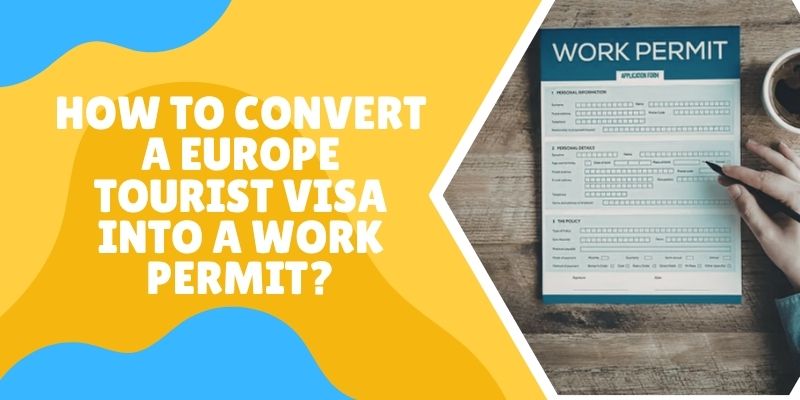
Europe continues to attract skilled professionals, entrepreneurs, and travelers from around the world. Many Indian tourists who visit European countries are impressed by the quality of life, career opportunities, and vibrant cultures. This frequently raises a crucial query: Is it possible to convert a holiday visa for Europe into a work permit?
The answer depends on the immigration laws of the specific European country you are visiting. While some countries may allow certain in-country applications under limited circumstances, in many cases a tourist visa cannot simply be converted into a work permit, and applicants are generally required to return to their home country and apply through the appropriate work visa process.
In this guide, we’ll explain How To Convert A Europe Tourist Visa Into A Work Permit?, discuss the legal pathways available, and share practical advice for Indian applicants. At Mk Travels, we help travelers understand visa requirements and prepare accurate applications for work, tourist, and long-term visas.
Understanding a Europe Tourist Visa
Most travelers visiting Europe for leisure apply for a Schengen Tourist Visa, which allows short-term travel within the Schengen Area for tourism, family visits, or certain business-related activities.
A tourist visa is intended for temporary visits and generally does not authorize employment. Visa holders are expected to comply with the conditions attached to their visa, including the permitted duration of stay and the activities allowed during their visit.
Can You Convert a Tourist Visa Into a Work Permit?
This is one of the most common questions among international travelers.
The general answer is:
In many European countries, you cannot directly convert a tourist visa into a work permit while remaining in the country.
Instead, the usual process involves:
- Receiving a genuine job offer from an eligible employer.
- Meeting the work visa or residence permit requirements.
- Applying under the correct work visa category, often from your country of residence unless local rules allow otherwise.
Because immigration rules vary by country and may change over time, applicants should always verify the latest requirements for their intended destination.
Typical Steps Toward Working in Europe
Although procedures differ between countries, the process often includes the following stages.
- Secure a Job Offer
For many European work visa categories, obtaining a genuine offer of employment is the first step.
Employers may need to demonstrate that the position meets applicable legal and immigration requirements.
- Meet Eligibility Requirements
Depending on the country and visa category, applicants may need to demonstrate:
- Relevant educational qualifications
- Professional experience
- Language proficiency (where required)
- Good health
- Good character
- Valid passport
Meeting these requirements is essential before applying.
- Prepare Supporting Documents
Applicants are commonly asked to provide:
- Valid passport
- Employment contract or offer letter
- Educational certificates
- Work experience documents
- Resume or CV
- Passport photographs
- Police clearance certificate
- Medical examination reports (if required)
Financial or accommodation documents, where applicable
Keeping documents organized helps streamline the application process.
- Submit the Appropriate Work Visa Application
Once all requirements are met, applicants can submit an application under the relevant work visa or residence permit category, following the procedures of the destination country.
Why You Should Not Work on a Tourist Visa
Working while holding a tourist visa is generally not permitted.
Doing so may result in:
- Visa cancellation
- Removal from the country
- Future visa complications
- Restrictions on re-entry
- Legal consequences under local immigration laws
It is always important to follow the conditions of your visa.
Alternative Legal Pathways to Work in Europe
Depending on the nation and your situation, there are a number of legal options if employment is your long-term objective.
Employer-Sponsored Work Visas
Many employers recruit skilled professionals from abroad and support eligible work visa applications.
Highly Skilled Professional Programs
Certain European nations have immigration channels intended for people with experience and credentials that are in high demand.
Student-to-Work Opportunities
International students may, in some cases, become eligible for post-study work options after completing recognized education programs, subject to local rules.
Family-Based Residence Options
Applicants with eligible family relationships may have additional immigration pathways depending on national legislation.
These choices are not always available in every nation.
Common Mistakes Applicants Should Avoid
To improve your chances of a smooth immigration process, avoid:
- Accepting unauthorized employment on a tourist visa.
- Assuming all European countries have identical immigration rules.
- Submitting incomplete or inaccurate documents.
- Ignoring visa conditions or expiry dates.
- Applying under the wrong visa category.
- Relying on unofficial information.
Always follow the official requirements of the country where you intend to work.
How Mk Travels Helps
At Mk Travels, we understand that immigration procedures can seem complicated, especially for first-time applicants.
We provide assistance with:
- Visa eligibility guidance
- Document checklist preparation
- Tourist visa consultation
- Work visa consultation
- Travel planning
- Application support
- Personalized guidance based on your travel goals
Our experienced team helps applicants understand the appropriate legal pathways while preparing complete and organized applications.
Tips to Improve Your Work Visa Prospects
If you plan to work in Europe in the future, consider these recommendations:
- Develop skills that are in demand internationally.
- Keep your educational and employment records updated.
- Prepare a professional resume.
- Improve your language skills if required for your chosen destination.
- Apply through the appropriate work visa category.
- Maintain accurate and genuine documentation.
- Stay informed about changing immigration policies.
These steps can strengthen your profile for future opportunities.
The Importance of Following Immigration Rules
Respecting immigration laws is one of the most important aspects of international travel.
Applying through the correct visa category demonstrates:
- Respect for local regulations
- Transparency in your intentions
- A commitment to lawful employment
Following legal procedures also helps protect your future travel and immigration opportunities.
Understanding How To Convert A Europe Tourist Visa Into A Work Permit? is essential for anyone planning to build a career in Europe. While many travelers hope to transition from tourism to employment, a direct conversion from a tourist visa to a work permit is not generally available in many European countries. In most cases, applicants must obtain a qualifying job offer and apply under the appropriate work visa or residence permit process, often from outside the country, depending on national immigration rules.
The key to success is choosing the correct immigration pathway, preparing complete documentation, and complying with the laws of your destination country. Professional guidance can help you understand your options and avoid common mistakes, but visa decisions are always made by the relevant immigration authorities.
At Mk Travels, we are committed to helping individuals explore legal and practical pathways for working and traveling in Europe. Whether you’re planning a holiday today or aiming for international career opportunities in the future, our experienced team is here to support you with reliable visa guidance and personalized assistance every step of the way.